
A Sherpa’s Dangerous Labor
The ClimbThis flow follows the work and risk carried by Sherpa staff, from camp construction and load carrying to the unequal distribution of responsibility.
increasing Bearing strength in each event
 decreasing
Bearing strength in each eventdecreasingWork Behind the Expedition
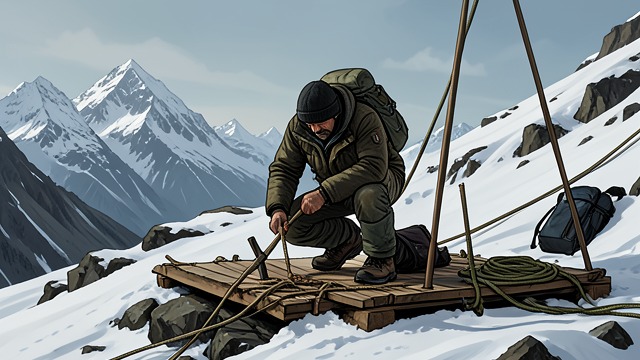
Work Behind the Expedition
Essential Labor
Sherpas carry supplies, build camp platforms, prepare food, and establish the route that makes client climbing possible.
Unequal Reward
Their pay varies widely, while the most dangerous high-altitude tasks expose them to the same lethal environment as clients.
Camp and Route Building
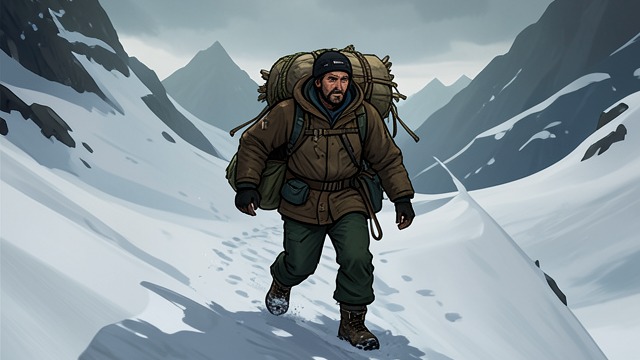
Camp and Route Building
Physical Burden
Sherpas ferry loads through the Khumbu Icefall and up the Lhotse Face, often working several days without rest.
Dependence
The commercial teams rely on their expertise, yet schedule pressure can leave the staff exhausted and their authority unclear.
An Illness in the Team
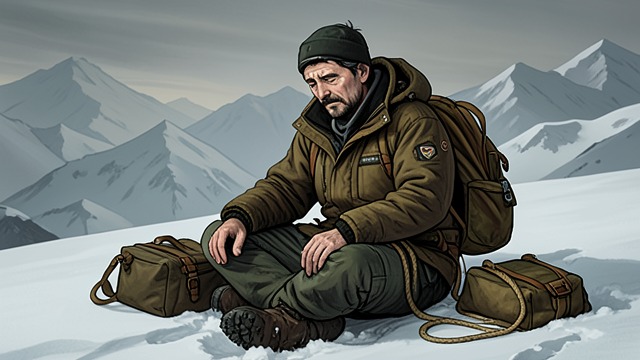
An Illness in the Team
A Worker Falls Ill
Ngawang Topche Sherpa develops severe altitude illness while carrying supplies.
Rescue Costs
Clients help lower him, but the case shows that a guide’s responsibilities extend to workers whose health may be endangered by expedition demands.
Summit-Day Labor
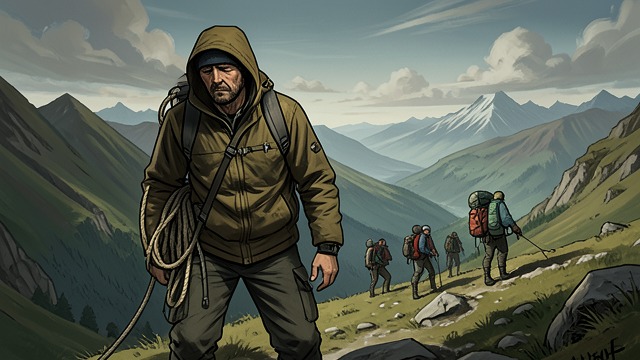
Summit-Day Labor
Route Work Fails
The Sherpas do not fix all expected ropes before the clients arrive, and several become ill or turn back.
Human Limits
Their labor is treated as logistical support, but the crisis reveals that Sherpas are neither inexhaustible nor automatically available for rescue.
Unanswered Calls for Help
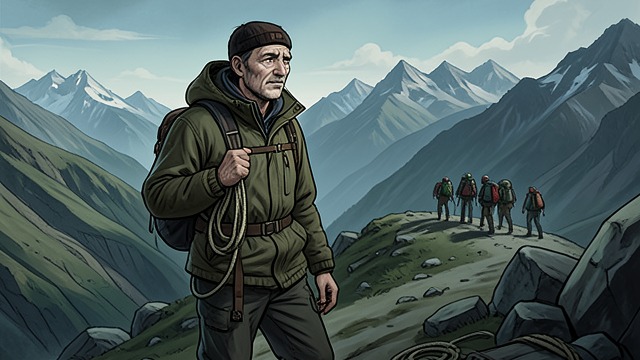
Unanswered Calls for Help
Rescue Requests
Anatoli Boukreev asks Sherpas in several camps to accompany him into the blizzard, but most are spent or unwilling to accept additional risk.
Structural Question
The episode exposes the difference between hired duties and the assumption that workers will risk their lives beyond them.
March 1996 on the approach
April 1996
April 22, 1996
May 10, 1996
night of May 10–11, 1996
